
exploring the power of play with tania moore
Tania Moore, Head of Exhibitions at the Sainsbury Centre talks to us about their new exhibition Play Plower and what makes Norwich such a great place to live, work and play
Who are you and what do you do?
I’m Tania Moore, Head of Exhibitions at the Sainsbury Centre. In this role, I oversee the strategy, content and delivery of the exhibition programme at the Sainsbury Centre and related activities such as artist residencies and publications. A few years ago, we started curating Big Question seasons of exhibitions and other projects, where we respond to the most urgent questions facing society. We have asked questions through art, such as What Is Truth?, Why Do We Take Drugs?, Can the Seas Survive Us? and Can We Stop Killing Each Other? These are really expansive topics and require lots of collaborations and partnerships, so we’re always pushing ourselves to think and work in new ways.
I also curate exhibitions for the programme myself, which involves carrying out research, selecting artworks, developing the narrative and communicating it with our audiences.
You’re about to open a new exhibition at the Sainsbury Centre. Tell us all about it.
At the Sainsbury Centre, we ask fundamental questions that anyone around the world might want to know an answer to. Our next Big Question is What is the Meaning of Life? As part of this season, Play Power(16 May – 4 October) considers whether we can reconsider how we live our lives and structure societies through playing and games.
Children instinctively play, but we tend to lose that freedom as adults. This exhibition demonstrates that play might be part of our lives in ways we don’t realise. It might even encourage people to play more!
The exhibition includes a number of interactive ways to play, including an immersive digital experience and board games. It also includes important artworks which demonstrate how crucial play is across cultures. An ancient Egyptian senet board will demonstrate how long games have been around for, and artworks from the seventeenth to twenty-first centuries will demonstrate how influential games have been on how we consider our place in the world. The exhibition includes artworks by such artists as L.S. Lowry, Yoko Ono and Germaine Richier.

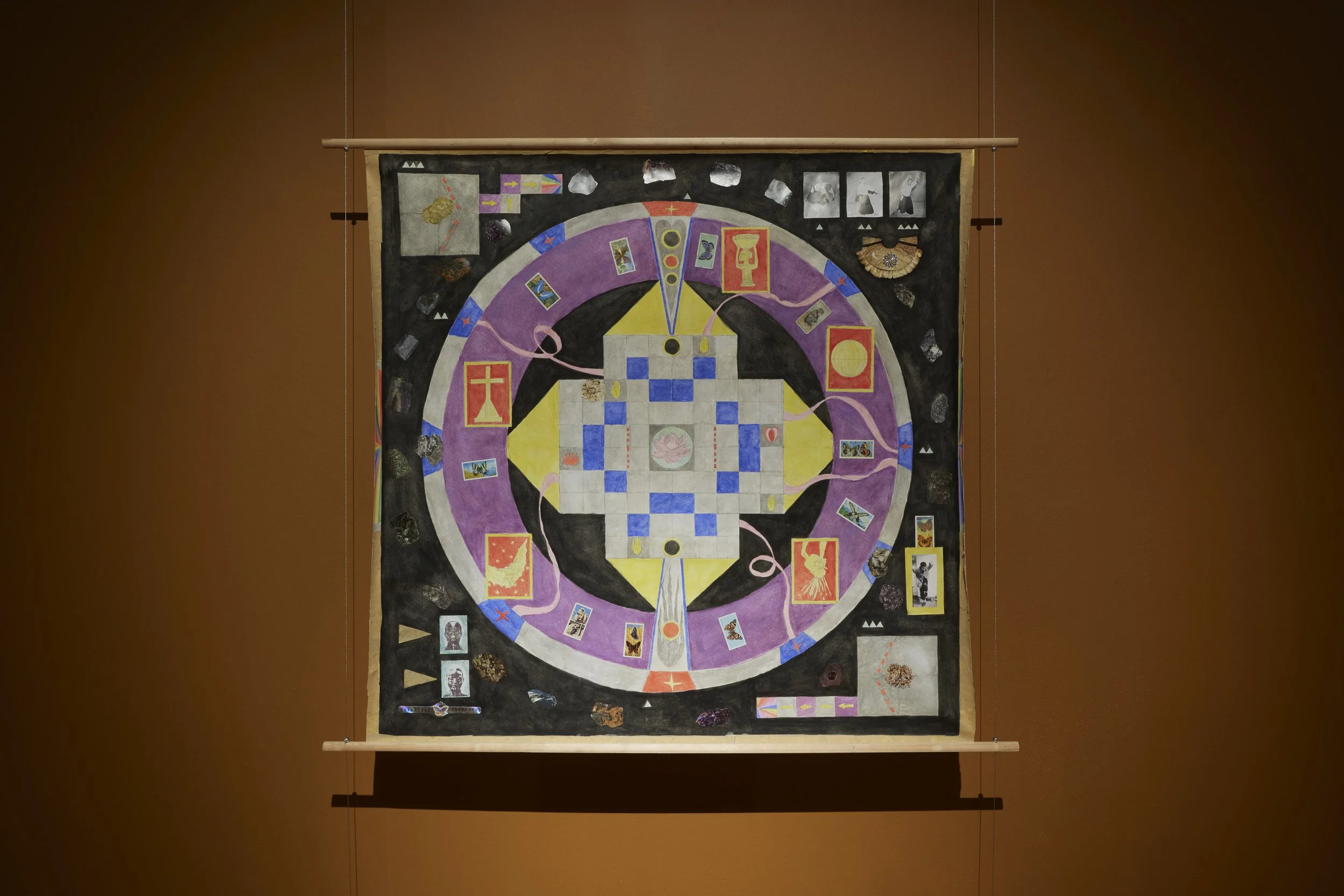
Above Left - Shirley Baker, Four girls playing on pavement in Hulme, Manchester, 1965. Estate of Shirley Baker/Mary Evans Picture Library
Above Right - Leo Robinson, Untitled (Board Game 3), 2022. Courtesy of the artist Tiwani Contemporary. Leo Robinson, The Infinity Card, Chapter, Cardiff, 2023.
Image: Courtesy Chapter; photo: Simon Ayre
Is there a particular work in the exhibition that really speaks to you?
I love Wassily Kandinsky’s Yellow Pink from 1929. It’s a beautiful watercolour and ink drawing of geometric shapes with splattered watercolour in pink and orange tones. The shapes seem to precariously balance or jiggle around in a very playful way. The drawing is deceptively simple, but the composition draws your eye back and forth around the image.
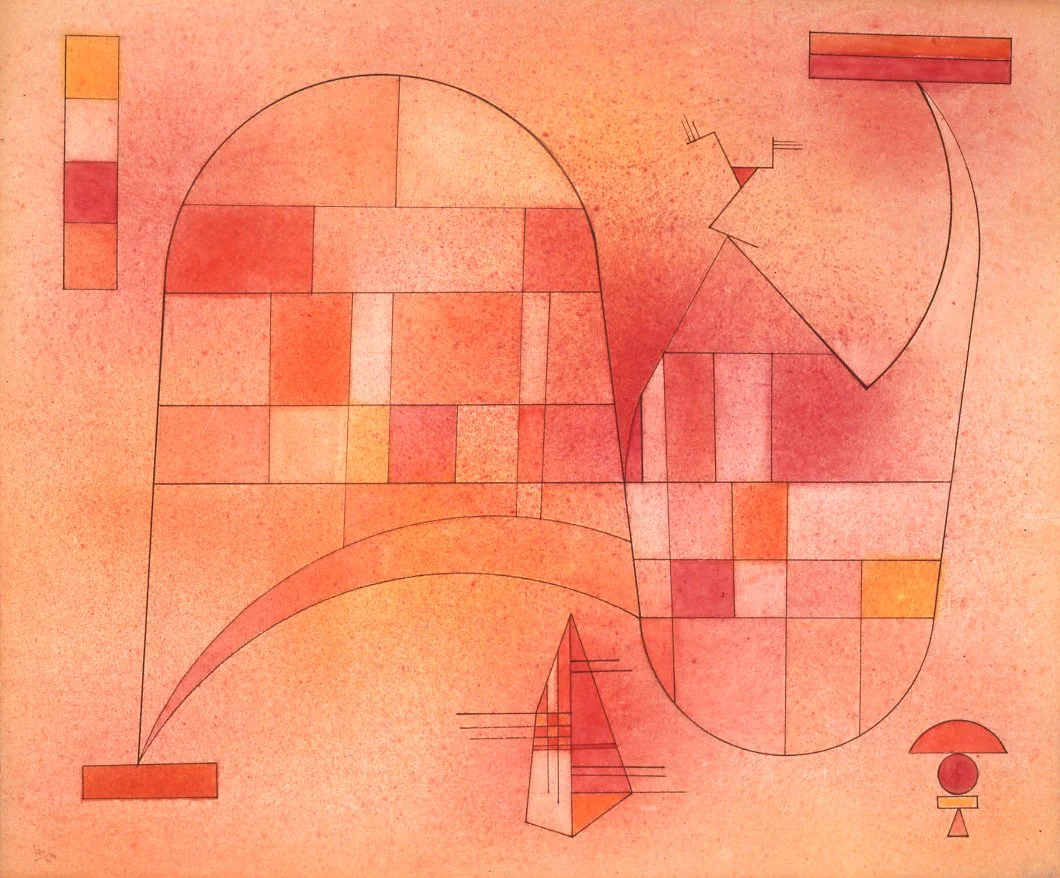
Above - Wassily Kandinsky, Yellow Pink, 1929, watercolour with pen and ink on paper. Private collection
In the exhibition, we’ll draw out the story of how playing as children might have profoundly influenced the development of twentieth century abstraction by artists such as Kandinsky and his peer Paul Klee. As children they attended kindergartens – a new concept to teach young children conceived by Frederick Fröbel. Fröbel designed small geometric shapes for children to learn through play, known as Fröbel’s ‘gifts’. The exhibition will have an interactive installation by Eamon O’Kane where you can play with these gifts.
What makes Norwich such a great place to work and play?
I’m not surprised that Norwich has recently been voted the best place to live in the UK. Norwich has a completely unique feel to any other city, with lots of independent businesses and creative things happening all over. It has fantastic restaurants and cafes to eat in, and great museums and theatres and the annual Norfolk & Norwich Festival, so there’s lots of culture and things to do. There are also beautiful green spaces if you want to get away from the feel of the city. Norwich has beautiful architecture, with incredible history going back to the medieval, as well as more modernist masterpieces – such as the Sainsbury Centre building! The two universities mean there is a very young energy which I think you feel across the city.
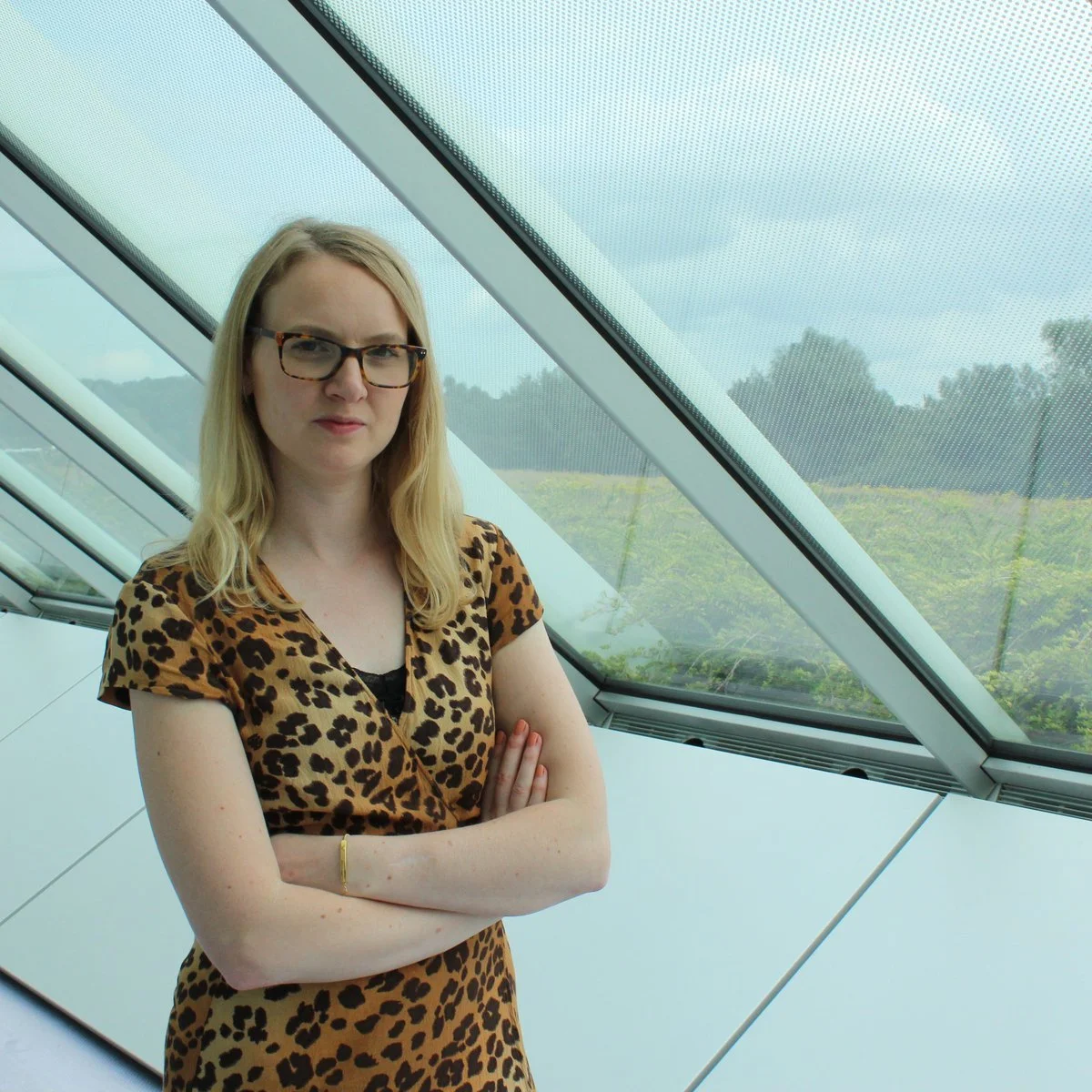
Above Left - Tania Moore - Head of Exhibitions, Sainsbury Centre
Where’s your favourite place in Norfolk, and why?
I love walking around Whitlingham Country Park on the weekend. It’s calming to walk around, but also bustling and enjoyable to see other people walking and relaxing or canoeing and doing other activities on the lake. It’s beautiful in the daytime but also as the sun sets. And there’s a great café for food and drink.
How can people find you?
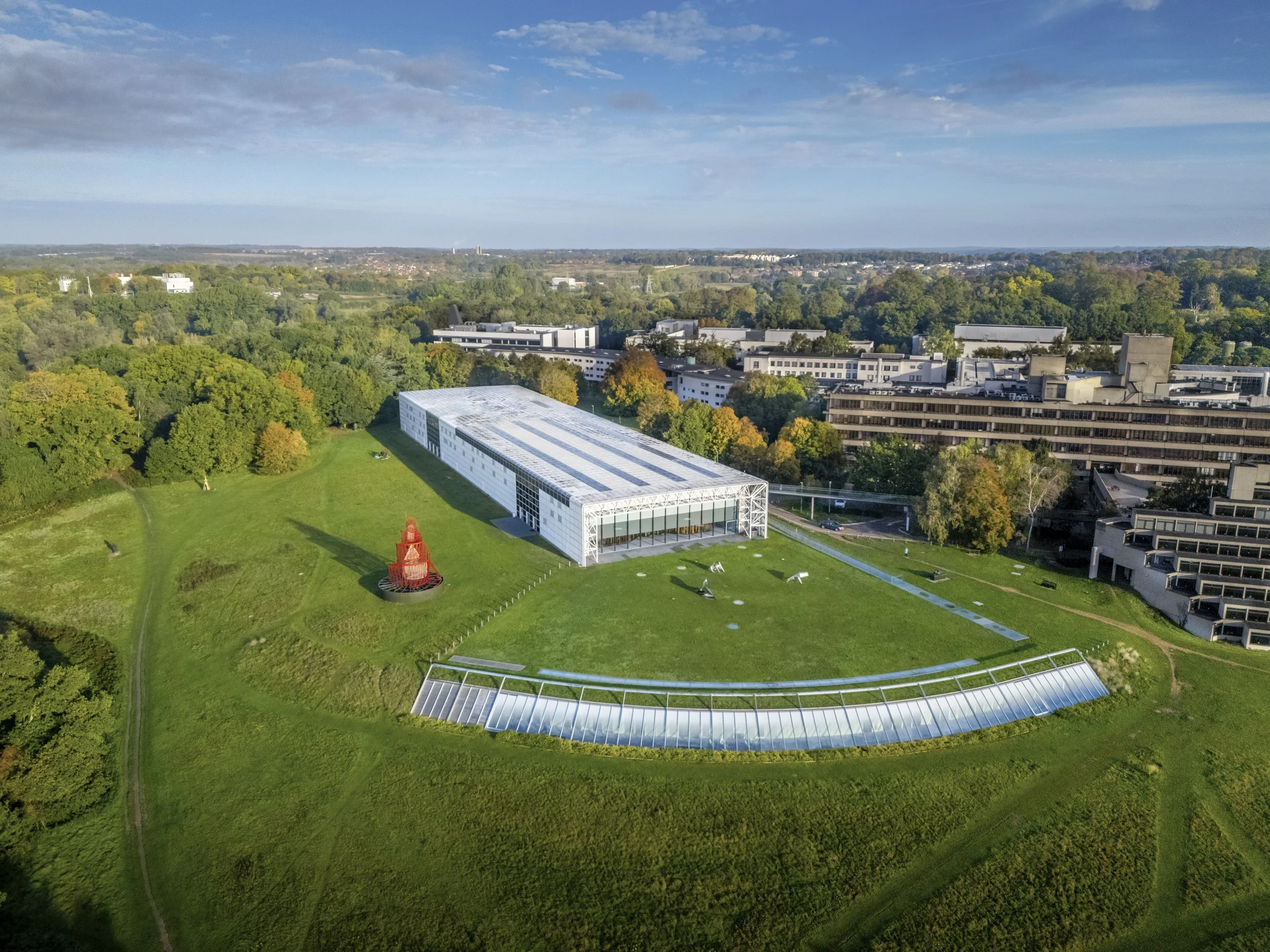
The Sainsbury Centre is located on the campus of the University of East Anglia. The museum sits amongst our 100 acres of Sculpture Park, and hosts a vast temporary exhibition programme, as well as a world-class permanent collection of art. The 25 bus will get you here from the city centre, or there is parking on site, and Beryl bikes. See more on our visit us page. Follow us on Instagram (@sainsburycentre) to see what we have going on and more information, and on YouTube (@TheSainsburyCentre) for more long form editorial content.